United States Department of Veterans Affairs

VA Boston Healthcare System

Site Home > Local Features > Ready, Set, Quit…
Ready, Set, Quit…
Man ripping open his shirt and we see an I quit logo on his shirt

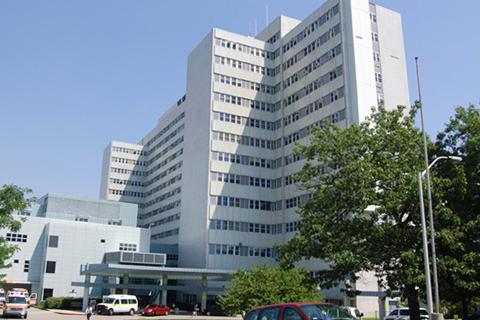
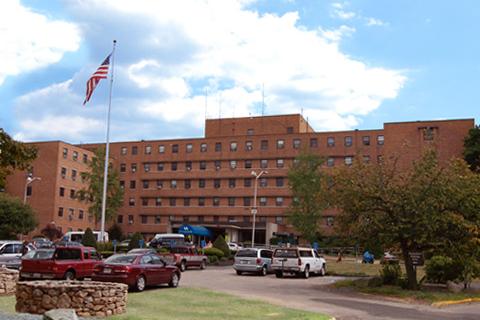
A small group of Veterans arrive to the first session of the Smoking Cessation Program at VA Boston Healthcare System’s Brockton Campus ready to battle what for most is a 40-60 year addiction.

During this first session, Veterans determine which daily activities prompt their smoking and then develop a strategic plan to adjust their behavioral pattern making it inconvenient to smoke. For example, if a Veteran tends to smoke while driving, the Veteran may try listening to a favorite CD or radio station instead as a distraction from smoking. In the second session, Veterans discuss the progress they have made with their behavioral changes and share stories about events that provoked them to smoke and others that prevented them from smoking.

Stop Smoking facilitator, Dana Boardman, teaches Veterans how to use affirmation and proper breathing techniques as ways to relax when they are provoked to smoke. He also shares the benefits of quitting and consequences of continuing to smoke as a way to reinforce positive thinking about quitting. “That second week is important because we talk about reasons to quit smoking,” Boardman said. “I have seen people quit smoking and it lowered their blood pressure.” Quitting can help prevent cardiac and circulatory problems, reduce the risk of cancer, and improve overall health. Veterans who smoke and suffer from heart disease will lower their chances of reoccurrences by quitting. It can also prevent the spread of lung disease.

Veterans officially quit smoking in the third session. They receive nicotine replacement—through a patch—which most wear for three months while tapering.

Considering the extensive amount of years most of the Veterans have smoked, Boardman realizes that quitting can be difficult and may add extra stress to Veterans. He uses this session to teach Veterans a variety of tactics to manage stress. He also shares advice with family members, who choose to sit-in on sessions, on how to have a positive impact throughout the quitting process.

The fourth meeting is a grieving session. The group discusses their progress and revisits their triggers. During this time, some Veterans may feel like they’ve lost a close friend. To challenge those emotions, Boardman asks, “Do your good friends choke you or steal money from your pocket?” This reminds Veterans why they chose to quit smoking and helps them understand why quitting is important.  Along with grieving Veterans’ anxiety levels may be raised higher, so Boardman uses this session as an opportunity to introduce more relaxation and stress reduction tips.

The final session focuses on ways to prevent relapses and what to do if a relapse occurs. Veterans who relapse are strongly encouraged to make an appointment with Boardman.

More than 50 percent of the Veterans who participate in the Smoke Cessation Program at the Brockton Campus stop smoking. “I really enjoy working with Veterans and trying to help them make behavioral changes,” Boardman said.

Smoke cessation programs are available on all three campuses—West Roxbury, Jamaica Plain and Brockton—however, each program uses different techniques. Individual sessions are available as well. In order to enroll in a smoke cessation program, you must be referred by a VA health care provider.  Speak to your VA Boston provider to discover which program is best suited for you.